
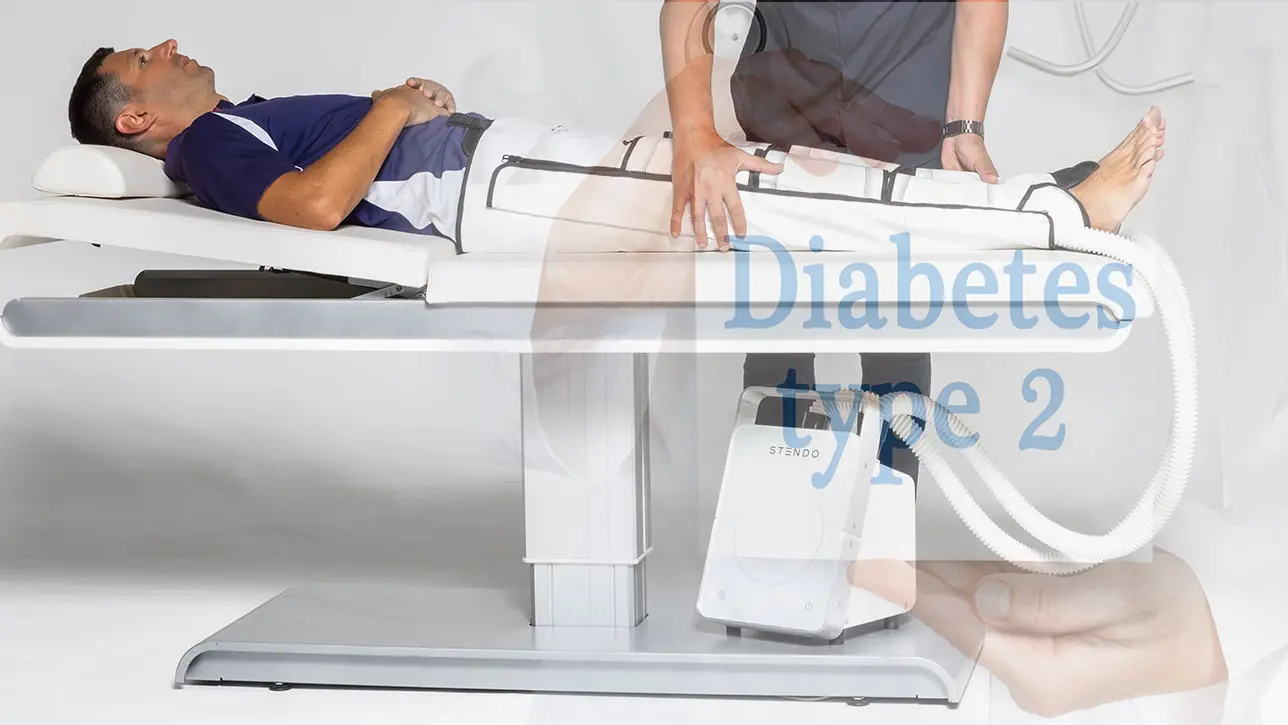

Healthy blood vessel wall cells (endothelium) are essential for humans. A Chinese proverb says: „We are as old as our vessels.“ Nitric oxide (NO) plays a key role in the microcirculation of the blood. This reactive gas is released via the endothelium through the speed of the blood and the resulting shear forces. It is known that the stronger the pulse and the faster the blood flows, the more NO is released.
It is known that the proper function of vascular cells is impaired in a number of diseases, particularly in patients with type 2 diabetes. In these patients, vascular cells play an important role in the progression of their diabetes. Furthermore, it has been shown that mechanical stimulation of the vessels (shear stress) and NO release from the vascular cells are reduced in diabetics, which impairs blood microcirculation. It was also found that there is a close connection between the healthy function of vascular cells and the action of insulin, a hormone involved in glucose regulation. Poor vascular cell function ultimately leads to severe complications in organs where microcirculation is particularly important:
Worldwide, more than 537 million people are affected by type 2 diabetic complications; particularly in so-called developed countries, an amputation due to diabetes occurs every 30 seconds. In France, for example, 8,000 amputations are performed on diabetics every year, 12,000 are hospitalized for a heart attack, and 4,000 new cases of severe kidney failure occur. It is therefore obvious that any therapy that improves microcirculation and maintains blood flow in the microvessels of vital organs is sensible and suitable for reducing diabetic complications.
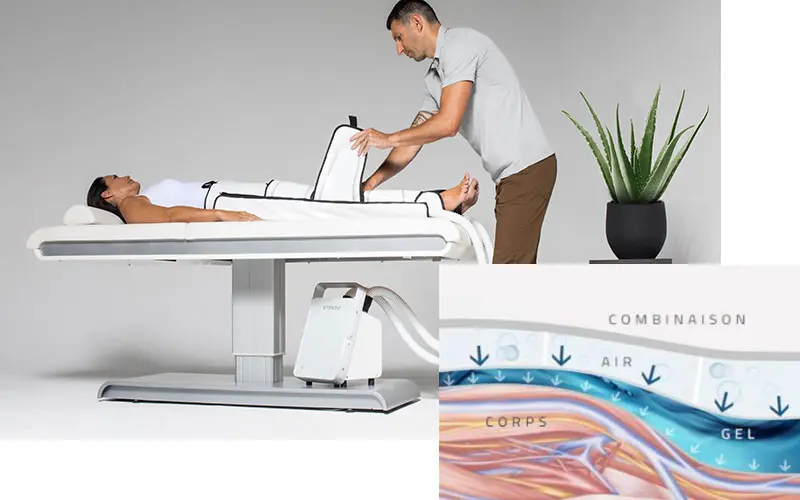
The French company STENDO® has tackled precisely this issue (STENDO = STimulation ENDOthéliale) and brought a patented pulse therapy device, the STENDO® Body, to the market. The sophisticated pulse therapy® serves to stimulate the blood circulation. The STENDO® Body consists of a console connected to a pneumatic trouser cuff with integrated gel cushions, which applies pulsating compressions and decompressions synchronously with the heartbeat. This cardiosynchronous pulse therapy® naturally increases the heart rate in the body, thereby simulating increased physical movement. Due to the increased „training activity“ of the vessels, the endothelium is stimulated and releases more nitric oxide (NO). Through the increased blood flow, the NO is distributed throughout the body and the vessels are dilated.
Two different test centers conducted the randomized, controlled cross-over studies as follows:
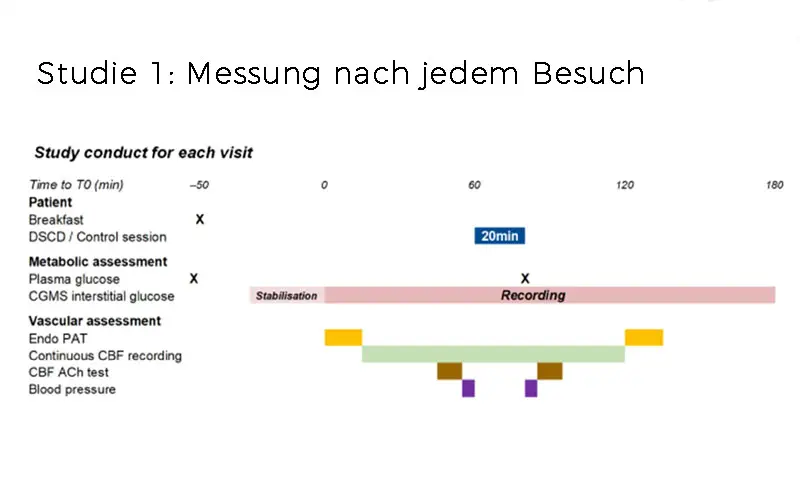
The aim of the study was to evaluate the acute effects in 16 patients. The effects of a STENDO® DSCD sessions (Verum session, 20 minutes) were evaluated in comparison to a subsequent control session (simulated DSCD session, 20 minutes) conducted after a two-week washout period, or vice versa (CHU Jean Verdier, Professor Paul Valensi).
Interstitial glucose (CGM) and skin blood flow (laser Doppler, Periflux) were measured and continuously recorded on the forearm before, during, and after the DSCD verum or simulated sessions. Endothelial function was assessed before and after the sessions.
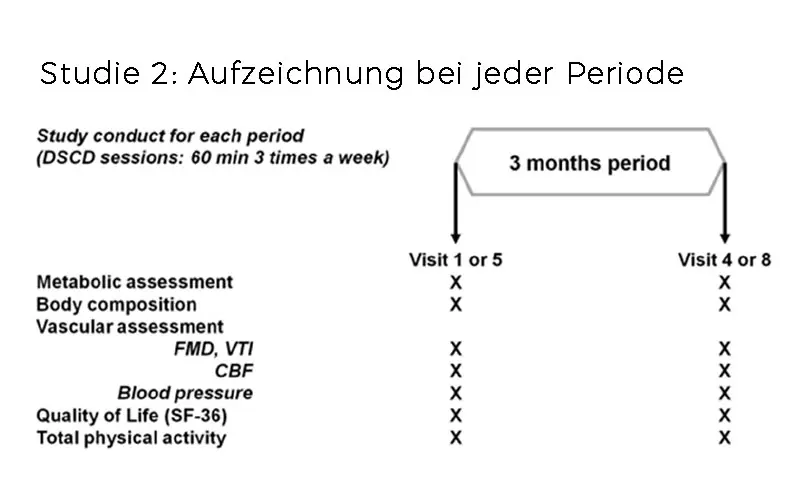
The second study evaluates the chronic effects in 38 patients. The effects of three one-hour DSCD sessions per week over a period of 3 months were evaluated in comparison to a subsequent control phase of 3 months (without DSCD sessions), with the two periods separated by a washout period of 4 to 6 weeks, or vice versa, i.e., control period followed by the DSCD period (Clermont-Ferrand University Hospital, Professor Martine Duclos). Examinations of endothelial function, microcirculation, metabolism, body composition, and physical activity were performed before and after each 3-month period.
In both studies, skin microcirculation and endothelial reactivity were measured using laser Doppler on either the forearm or the palm of the hand, as these sites reflect the functions and alterations of microcirculation in other organs and tissues. 1) 2) 3)
The two studies led to the following results, which are presented in the linked English Summary be explained in detail:
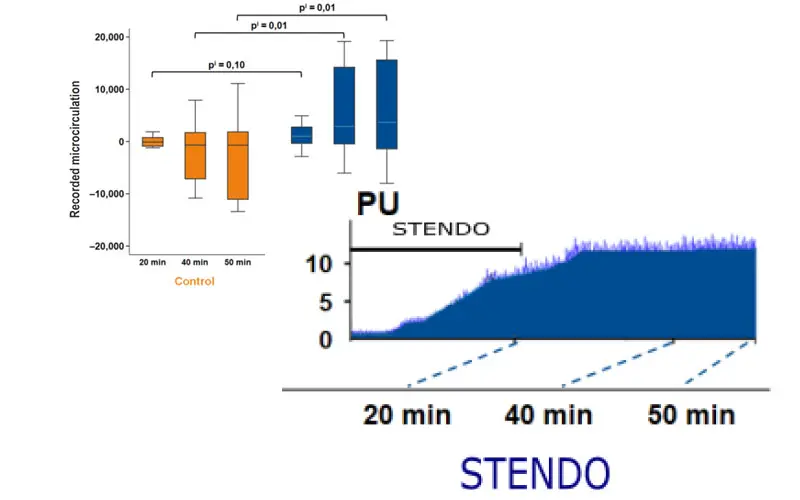
STENDO® reduces lower limb volume in patients with significant fluid retention. Therefore, STENDO® Body has been successfully used in therapy since 2018.
In patients with type 2 diabetes:
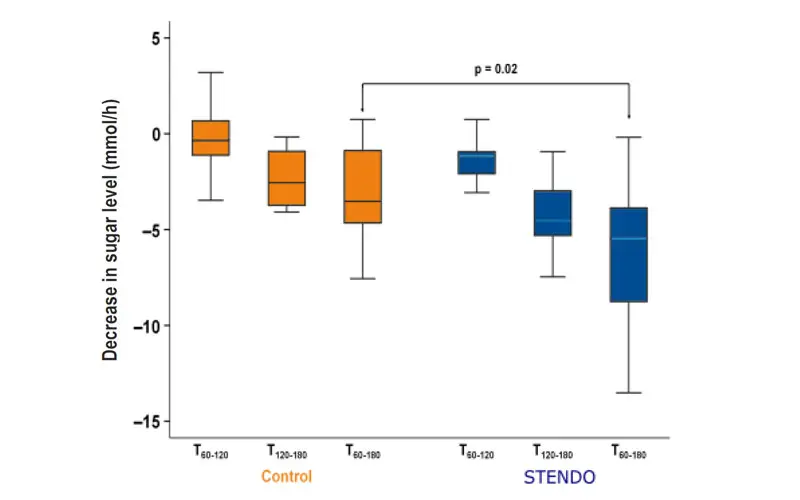
Furthermore, it has been demonstrated that the improvement of vascular function also has a positive effect on biological and physical parameters that otherwise deteriorate in diabetics. Here we are talking about the following positive effects:
It is the first time that a device (Stendo®) has been proven capable of improving the vascular cell function of type 2 diabetes patients and microcirculation as follows.
1. The improvement of vascular function by Stendo® is highlighted without causing any negative effects.
2. The studies conducted with Stendo® pulsetherapy underline the value of this new treatment method for improving microcirculation in type 2 diabetics and reducing vascular complications, which can lead in particular to foot ulcers and even amputations.
All listed effects of STENDO® Pulse therapy® in diabetics has been demonstrated in two clinical trials. Click here for the Original report.
1) Holowatz LA, Thompson-Torgerson CS, Kenney WL. The human cutaneous circulation as a model of generalized microvascular function. J Appl Physiol 2008;105:370-37
2) Rossi M, Carpi A, Galetta F, Franzoni F, Santoro G. The investigation of skin blood flow motion: a new approach to study the microcirculatory impairment in vascular diseases? Biomed Pharmacother 2006;60:437-44
3) Khan F, Patterson D, Belch JJ, Hirata K, Lang CC. Relationship between peripheral and coronary function using laser Doppler imaging and transthoracic echocardiography. Clin Sci (Lond.) 2008;115:295-300
We are happy to provide you with further information and answer your questions personally.