On the path to recovery and personal well-being, it is important to understand pain in order to be able to manage it. Whether it is acute pain following a recent injury or a chronic form of discomfort, many of us struggle with such painful experiences every day.

Published on 12/21/2023
In this article, you will find insightful tips and practical advice for effectively dealing with pain and managing your own pain. The focus is on supportive measures and complementary strategies that can improve your overall quality of life.
Pain is a complex and multifaceted phenomenon that affects people differently. Acute pain can be severe and intense, but is usually only temporary. Most of the time, it is due to a specific injury or condition, such as a sports injury, overexertion, or poor posture.
Chronic pain, on the other hand, persists for weeks, months, or even years and can be associated with lower back conditions1), osteoarthritis, or muscle problems. At the center of our pain perception is always our nervous system.
Pain signals are triggered in response to an injury or potential damage. They alert our brain via a network of nerve fibres that there is a serious problem in the musculoskeletal system. In the case of acute discomfort, these signals are intended as a natural protective reaction against further injury. In chronic pain, unfortunately, these signals persist even after the injury has healed and lead to ongoing discomfort.2)
When experiencing pain, people often quickly resort to painkillers such as over-the-counter analgesics like ibuprofen, paracetamol, Dafalgan, etc., or prescription opioids. These painkillers often provide immediate relief. However, one should keep their long-term effects in mind.
Long-term use of such medications can lead to numerous side effects. While opioids are effective for severe pain, they carry the risk of addiction, which over time necessitates higher doses for the same effect. Over-the-counter medications such as NSAIDs (nonsteroidal anti-inflammatory drugs) can cause problems such as stomach ulcers, high blood pressure, and kidney or liver issues when taken long-term. In addition, the costs of treating chronic pain with conventional medications can add up significantly unless covered by health insurance. This and the potential side effects lead many people to seek alternative, complementary methods for pain management.
Given the complexity of pain management, it is important to recognize the value of home remedies and self-care measures. Below, we take a look at various strategies that can play a key role in effective pain management.
Cold therapy is a proven, non-invasive method for short-term pain relief. Ice packs, cooling creams, and gels are fantastic tools for treating acute pain caused by inflammation from sports injuries or sprains. Cold therapy helps reduce swelling and numb the injured area, thereby minimizing pain signals to the brain.3)
Heat therapy, on the other hand, is often beneficial for chronic pain as well as joint or muscle stiffness. It promotes blood circulation, relaxes the muscles, alleviates symptoms, and speeds up healing. A warm bath, a heating pad, or warming creams are among the useful tools in heat therapy.
The right choice between heat and cold depends largely on the type of pain you are experiencing. Sometimes, however, it can also be beneficial to alternate between the two therapies.
Another important aspect of pain management is prioritizing simple wellness routines. Above all, the role of muscle relaxation should not be underestimated. Simple activities such as a warm bath, gentle yoga or stretching, and mindful breathing can help relax tense muscles and relieve discomfort.
These simple tools promote physical well-being and can have a significant positive impact on one's mental state, which further supports pain management.
Certain herbs are said to interact with receptors in our bodies and thus potentially relieve symptoms. Well-known examples include turmeric4), which is known for its soothing properties, or mint5), which is prized for its cooling effect.
However, before you start a new dietary supplement regimen, you should always consult a doctor.
Sleep is a restorative process that is essential to our health. It strengthens the immune system, aids in muscle repair, and reduces stress levels. Chronic pain, however, can often disrupt sleep, creating a vicious cycle in which poor sleep further exacerbates the pain. For this reason, ensuring good sleep quality is a key element of effective pain management.
Creating a healthy sleep environment—by maintaining a consistent sleep schedule and following good sleep hygiene practices—can significantly improve sleep quality and help manage pain more effectively.6) 7) 8)
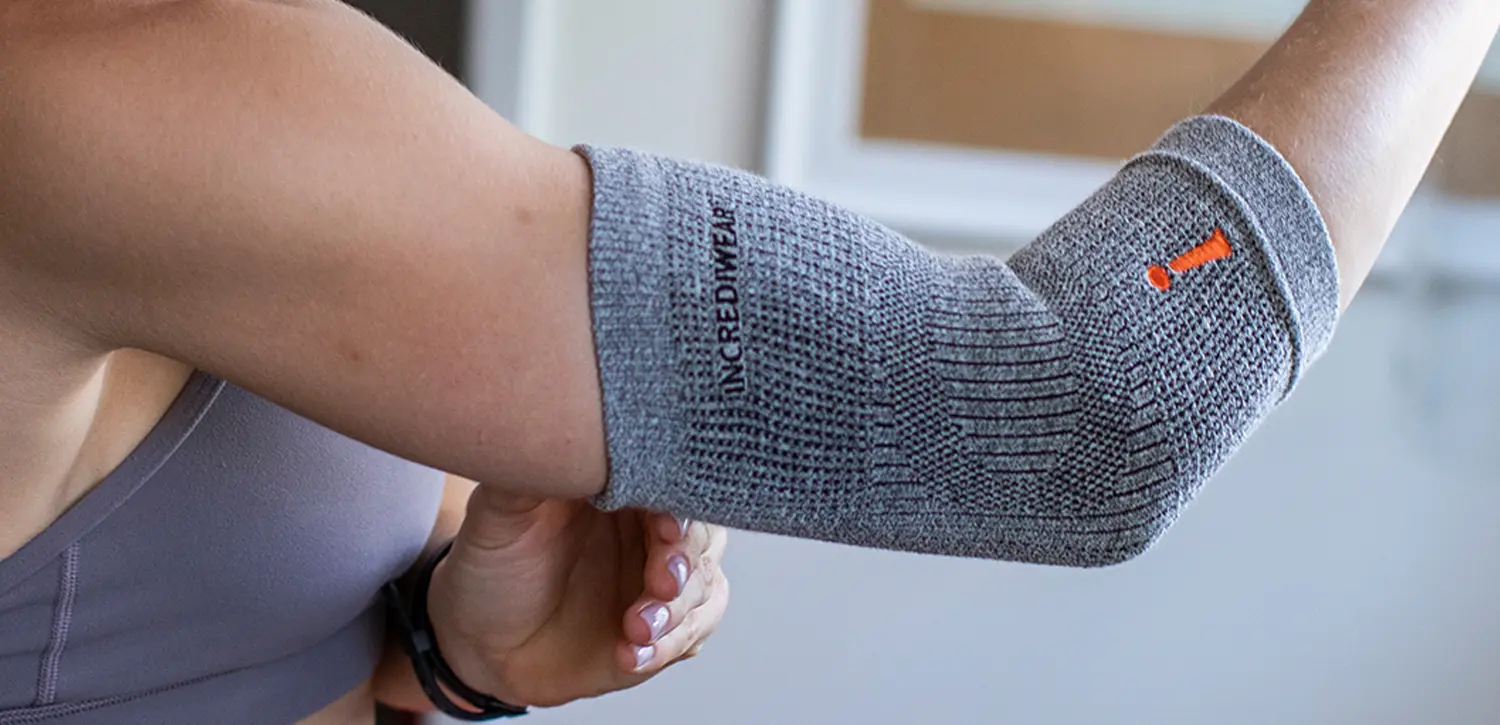
Incrediwear is fully aware of the diverse needs of people who are struggling with physical discomfort. That’s why Incrediwear’s innovative compression garments feature a special semiconductor technology (made from carbon and germanium) that helps improve blood circulation, promote muscle relaxation, and support your body’s natural healing processes.
The range of bandages—from shoulder, elbow, and hand to knee, hip, and ankle—is made from a blend of special materials that use your body heat to promote blood circulation. This, in turn, increases the supply of oxygen and nutrients to the inflamed areas: muscles are relaxed, discomfort is relieved, and a healthy recovery is promoted.
Whether you're an athlete looking to recover faster after an intense workout or simply want to get annoying symptoms under control, the Incrediwear Bandages can improve the results of self-care and contribute to your overall quality of life by complementing your holistic pain management.
Effective pain management often requires an individual, multifaceted plan. Alongside home remedies and self-treatment methods, various complementary approaches can prove useful. Below, we introduce you to some of these complementary approaches:
This ancient method involves stimulating specific points on the body to promote healing and relieve pain. Clinical studies suggest that it is helpful for conditions such as lower back pain, osteoarthritis, and fibromyalgia.
Physical therapy aims to improve mobility and functionality through customized exercise programs and to help patients effectively manage various types of pain.
Massage therapy can help reduce muscle tension, lower blood pressure, and promote overall relaxation, which in turn can relieve pain.
Biofeedback can help control the body's pain response, while electrical nerve stimulation (electrotherapy) uses mild electrical currents to interrupt pain signals before they reach the brain.
Keep in mind that each of these therapies can be an invaluable tool in your pain management, especially when performed by healthcare professionals who can tailor treatment options to your specific health conditions and injuries.
When creating your personal pain management plan, you should be aware that progress in improvement is not a sprint, but a marathon. Your plan is as unique as you are and deserves to be carefully considered, nurtured, and executed.
The discovery of effective self-care rituals and the inclusion of supportive measures such as the Incrediwear Bandages can help support your body's natural healing process by promoting healthy blood circulation and muscle relaxation.
Your well-being and freedom from pain are not just a goal, but an active journey. Trust in the power of science, research, and education, and know that you are not alone on this path. Every step you take toward better managing your condition is a step toward improving your quality of life.
Sources
1) 3 surprising risks of poor posture | Harvard Health
2) Pain Processing in the Human Nervous System: A Selective Review of Nociceptive and Biobehavioral Pathways | PMC
3) Ice Packs vs. Warm Compresses For Pain | Johns Hopkins Medicine
4) Turmeric Benefits | Johns Hopkins Medicine
5) The effects of peppermint on exercise performance | PMC
6) Module 2. Sleep and the Immune System | CDC
7) The effect of acute sleep deprivation on skeletal muscle protein synthesis and the hormonal environment | PMC
8) Interactions between sleep, stress, and metabolism: From physiological to pathological conditions | PMC
Text translated from the incrediwear.com blog into German! | Medically reviewed by Johannah Gregg, DNP FNP-C
We are happy to provide you with further information and answer your questions personally.
We are happy to provide you with further information and answer your questions in person.
LOG IN
We have sent a 6-digit verification code to your email. Please enter it below to continue.
Register now to easily manage your orders and benefit from additional perks after your first purchase.
We have sent a 6-digit verification code to your email. Please enter it below to continue.
REGISTER NOW
We have sent a 6-digit verification code to your email. Please enter it below to continue.
We have sent a 6-digit verification code to your email. Please enter it below to continue.
We have sent a 6-digit verification code to your email. Please enter it below to continue.
Forgot password