
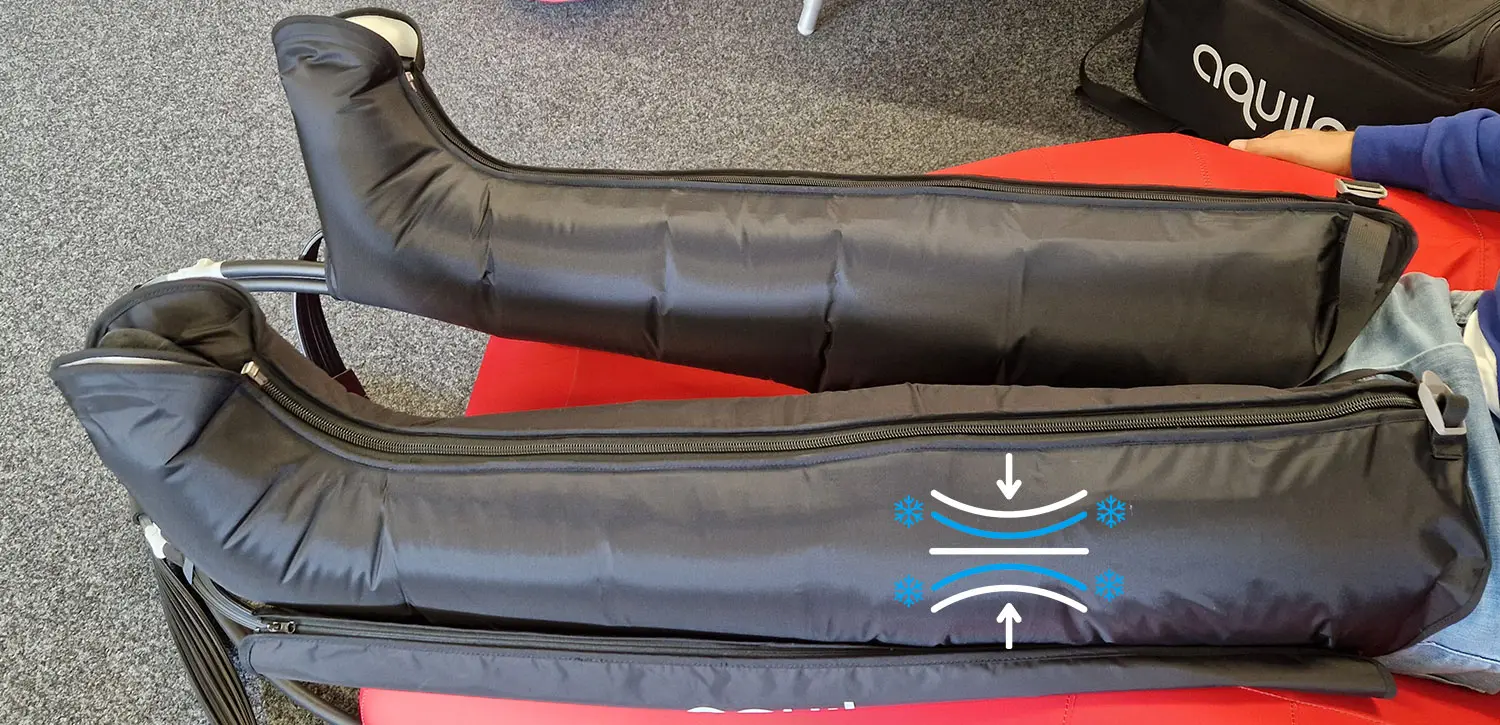

Numerous studies and documentaries already demonstrate that cryotherapy1) as well as lymphatic drainage2) play an important role in sports recovery, injury therapy, and post-operative treatments. But what happens when the two treatment modes are combined?
Cold (cryotherapy) plays an important role in the regeneration of overexerted or injured tissue. The following points explain why treatment with cold immediately after injuries or intense physical exertion definitely makes sense:
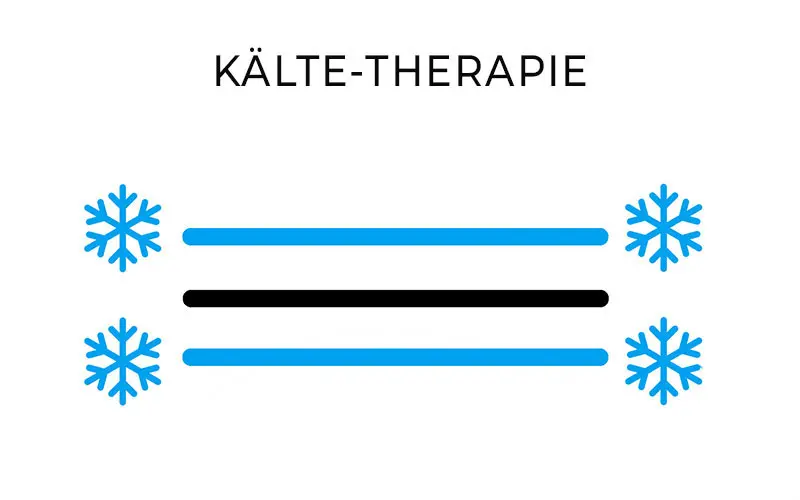
1. Pain relief through reduced nerve conduction velocity:
Cold slows down nerve activity, which reduces the perception of pain. As a result, the affected tissue becomes less sensitive to stimuli.
2. Reduction of swelling and inflammation through vasoconstriction (narrowing of blood vessels):
Cold causes the blood vessels to constrict. As a result, less blood flows into the injured or stressed area, which reduces swelling and inflammation.
3. Slowed Metabolism
Lowering the tissue temperature reduces cellular metabolism. This helps lower oxygen demand and stabilize the tissue, resulting in less cellular damage.
4. Muscle Relaxation
Cold can help reduce muscle cramps and tension. This is especially helpful for overworked muscles.
5. Promoting Healing
Cold therapy indirectly promotes healing by reducing swelling and pain, which improves mobility and shortens rehabilitation time.
Because cold helps the healing process by reducing swelling, pain, and inflammation—and thus allowing the body to recover more quickly—it is often used effectively immediately after injuries or intense physical exertion.
Compression is an effective way to speed up recovery after overexertion during sports and in the event of injuries, as it has several important regenerative properties:
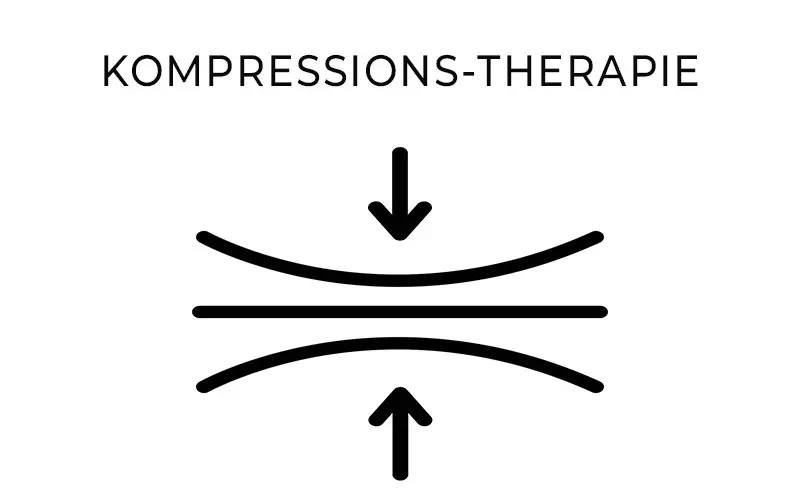
1. Reduction of swelling and muscle fatigue
Compression prevents fluid buildup in the tissues and reduces inflammation.
2. Promoting blood circulation
Compression helps remove metabolic waste products and improves oxygen supply, which speeds up recovery.
3. Pain Relief
The counterpressure and corresponding pressure relief help alleviate pain and stabilize the tissue.
4. Muscle Recovery
Compression reduces muscle vibrations and microtrauma, which speeds up recovery and prevents muscle fatigue.
5. Stabilization
Compression supports muscles and joints, thereby reducing the risk of injury.
In combination with other measures such as cold and rest, compression can help significantly improve recovery after injuries or overuse.
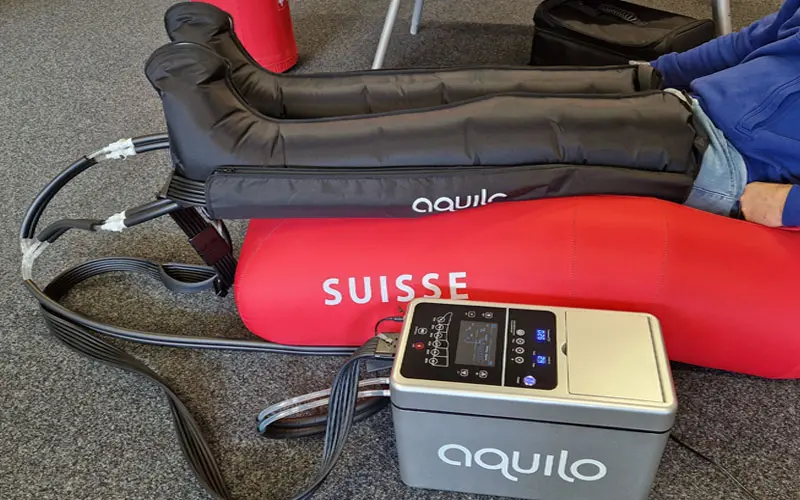
After an intense workout, the body is under stress: microtears in the muscle fibers, inflammation, and swelling may occur. The use of cold and compression therapy helps accelerate the recovery process. Cold has an anti-inflammatory effect by slowing blood flow, thereby reducing swelling. At the same time, compression promotes blood circulation, which accelerates the removal of metabolic byproducts such as lactic acid, which accumulates in the muscles after intense exertion and causes muscle soreness.
The simultaneous application of cold and compression intensifies the healing process: The cold soothes overstimulated nerves and reduces pain, while compression supports venous return and promotes the breakdown of metabolic byproducts. This recovery combination is a game-changer, especially for ambitious athletes who regularly push themselves to their limits. It not only helps you get back in shape faster but also improves long-term performance and reduces the risk of injury.

But cold and compression therapy isn’t just beneficial in sports. It’s also invaluable in rehabilitation following injuries or surgeries. In cases of injuries—such as torn ligaments or muscle strains—and after surgical procedures, it is crucial to make the healing process as efficient as possible. And this is exactly where cold and compression therapy comes in.
Cold helps reduce inflammation and swelling in injured tissue, while compression stimulates blood and lymph flow. In particular, stimulating lymphatic drainage is a key factor: it helps the body more quickly eliminate harmful metabolic byproducts and toxins, which often accumulate in injured tissue and can slow down the healing process.
In addition, cold therapy has a powerful pain-relieving effect, as cold blocks pain receptors and thus significantly reduces the sensation of pain. As a result, the use of pain medication can be greatly reduced or even avoided altogether. Many patients report that cold therapy allows them to rely much less on pain medication after surgeries or injuries. This not only reduces potential side effects from medication but also promotes faster recovery and mobility.
The cold also affects the metabolism of the damaged tissue. While the cooling effect slows down metabolism, it simultaneously triggers important regenerative processes. Injured tissue benefits from this targeted „relief“ and can regenerate more quickly.
After surgery or immediately following an injury, it is therefore advisable to first use cold therapy to reduce the pain caused by swelling and inflammation before using compression to stimulate lymphatic drainage.
The combination of cold and compression is an effective method for both serious athletes and patients undergoing rehabilitation to support their bodies during recovery or rehabilitation. This is the subject of a study by the Wexner Medical Center at The Ohio State University3) . Whether to reduce muscle soreness, improve performance, or speed up healing—the targeted use of cold and compression offers numerous benefits.
Anyone who wants to help their body recover after intense physical exertion or an injury should rely on the tried-and-true method of cold therapy and compression to get back into shape and perform at their best more quickly, as well as to minimize their use of medication.
Documentation:
1) Cold therapy in elite sports: Tim Meyer et al., 2009
2) Manual lymphatic drainage: Journal of Sports Medicine 2019
3) The effects of combining cryo/compression therapy following an acute bout of resistance exercise on performance and recovery: William J Kraemer. et al. 2016
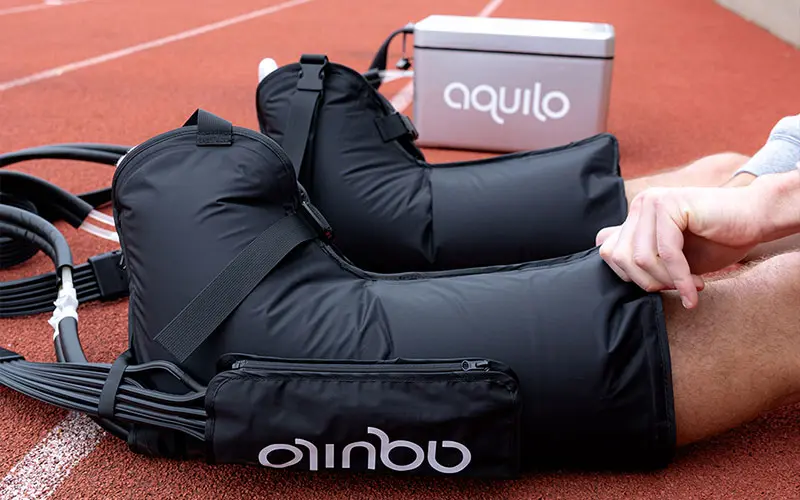
AQUILO offers cold and compression in a single session. Depending on your needs, either just cold, just compression, or a combination of both therapies can be applied. Another major advantage of the AQUILO Recovery Systems is the sophisticated combination of device and cuffs. The device allows up to 2 people to be treated with cold therapy, or one person with cold & compression on two different body parts. In this process, only 3 (or 4) cuffs cover all body parts from shoulders, arms, legs, and feet. The combination is a convincing solution. The result: a smooth, firm skin appearance and a refreshed, rejuvenated body feeling – completely without invasive procedures!
We are happy to provide you with further information and answer your questions personally.