


From treating severe infections to improving outcomes for non-healing wounds, HBOT is approved for a wide range of conditions. It originated in the treatment of decompression sickness in diving accidents, but is also used for acute cases such as carbon monoxide and cyanide poisoning.
If you are considering this therapy, it is important to understand how it works. Hyperbaric oxygen therapy involves increasing the amount of oxygen in the blood, which can significantly improve the healing rate for damaged tissue. This not only involves breathing high-grade oxygen, but it is also administered under increased atmospheric pressure, which can have significant therapeutic benefits. Healthcare providers recommend HBOT for various conditions. The therapy itself is very comfortable for the patient. However, there are a few things you should know before entering a hyperbaric chamber for the first time. To also have a positive experience with hyperbaric oxygen therapy, it is important to be well-informed about the requirements, effects, and implications of hyperbaric oxygen in a pressure chamber before your first session.

Before we dive into the details, it’s worth mentioning that hyperbaric oxygen therapy (HBOT) is an advanced treatment in which, among other things, you breathe in oxygen at a concentration of nearly 100 % under elevated atmospheric pressure. This unique medical treatment has advanced significantly in recent years and is supported by various medical institutions.
Hyperbaric oxygen therapy (HBOT) is an effective treatment in which you breathe nearly pure oxygen under elevated atmospheric pressure in specially designed chambers. The increased pressure in the air you breathe allows your lungs to absorb more oxygen than would be possible when breathing pure air at normal atmospheric pressure. Body tissues require an adequate supply of oxygen to function optimally. Depending on the condition, this is not always guaranteed. Breathing nearly 100% oxygen in a hyperbaric chamber therefore improves oxygen delivery, which in turn promotes healing and fights infections.
Hyperbaric oxygen therapy was developed in the early 20th century to combat decompression sickness, which affects professional and recreational divers when they surface too quickly. Today, HBOT is recognized by the U.S. Food and Drug Administration (FDA) and other organizations such as the Undersea and Hyperbaric Medical Society (UHMS) and the American Medical Association (AMA) for its diverse treatment possibilities, ranging from diabetic foot ulcers to carbon monoxide poisoning. Over time, technological advancements have significantly improved the safety and effectiveness of hyperbaric chambers, making them one of the most advanced treatment methods in modern medicine today.
When considering HBOT treatment, it is important to consult with your healthcare provider beforehand. They can advise you on the suitability of this therapy for your individual condition. This is the only way to ensure that this therapy is as comfortable and beneficial for you as possible. This approach draws on years of medical research and knowledge.

Let's now look at how hyperbaric oxygen therapy (HBOT) works. As mentioned earlier, this therapy involves getting more oxygen into your cells and tissues. You can also compare it to a kind of „supercharging“ of your body's healing powers.
Have you ever wondered how your tissues can repair themselves? To do this, your system needs oxygen, and a lot of it. With HBOT, the amount of oxygen your blood can carry is significantly increased. This enhanced oxygen content in the blood temporarily restores normal blood gas levels and tissue functions. Your tissues receive an above-average supply of oxygen, which supports healing and fights infections.
You've likely heard that good circulation is key to healing, and that couldn't be truer here. HBOT improves circulation by stimulating the formation of new blood vessels. This process, known as neovascularization, helps restore blood flow to areas affected by blockages or damage. Better circulation means more nutrients and oxygen reach the tissue. Especially in damaged areas where blood flow is restricted and oxygen supply is therefore limited, the healing powers can now unfold again.
At the cellular level, things get even more interesting. HBOT directly affects the physical properties of blood and blood vessels, helping to reduce swelling and inflammation through improved metabolism. Furthermore, the release of growth factors and stem cells facilitates the formation of new blood vessels.
Endothelial cells form the lining of our blood vessels and play a key role in neovascularization. Oxygen under pressure can stimulate these very cells, leading to the „construction“ of new blood vessels, which in turn allow healing elements to reach damaged areas (injured tissue). Thus, HBOT provides improved oxygen supply to cells that urgently need it but cannot receive it through normal breathing, enabling them to begin repair work. Isn't it fascinating that such a surge of oxygen can trigger a cascade of healing responses?
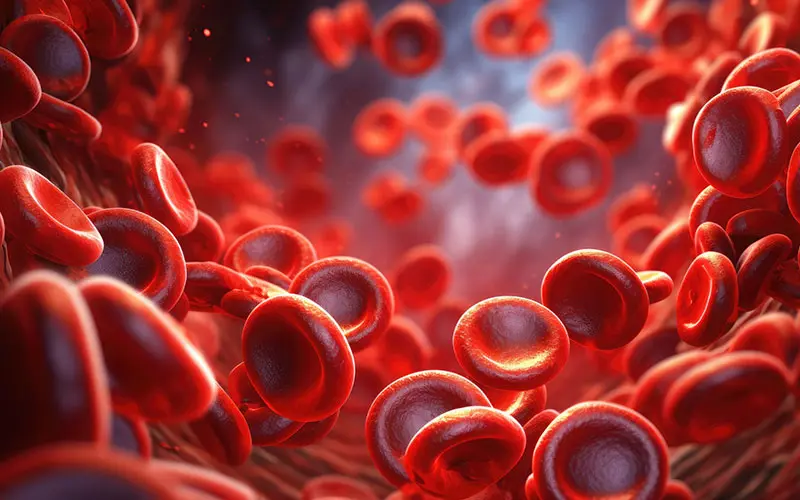
Have you ever wondered what happens in your body during hyperbaric oxygen therapy? Imagine sitting in a special chamber, similar to a small room, where the air pressure is increased to two to three times the normal level. This pressure increase liquefies the oxygen gas in your blood, allowing your body to transport more oxygen than would be possible at normal air pressure.
Why is this additional oxygen so important? The liquefied oxygen, transported under elevated air pressure conditions, is channeled through the bloodstream throughout the entire body, to the extremities, the tissue, and even to every single cell. There, it helps in fighting bacteria and free radicals and stimulates the release of substances known as growth factors and stem cells, which promote healing.
Brief summary of the process:
This process is particularly beneficial for tissues struggling with hypoxia or ischemia. Essentially, areas with low oxygen or poor blood flow receive much-needed support. HBOT is therefore suitable for promoting:
In plain terms: HBOT helps the body help itself by giving it the oxygen it needs to kickstart repairs and get you back on track. And, it's not a „maybe it works“ therapy, but an evidence-based therapy whose use in certain conditions is supported by numerous clinical trials was confirmed.
In hyperbaric oxygen therapy, the type of chamber can vary depending on your needs. This is regardless of whether you are receiving treatment in a hospital or considering a more flexible option for home use. Each pressure chamber has its own characteristics and is designed for different situations. Let's dive into the world of pressure chambers!
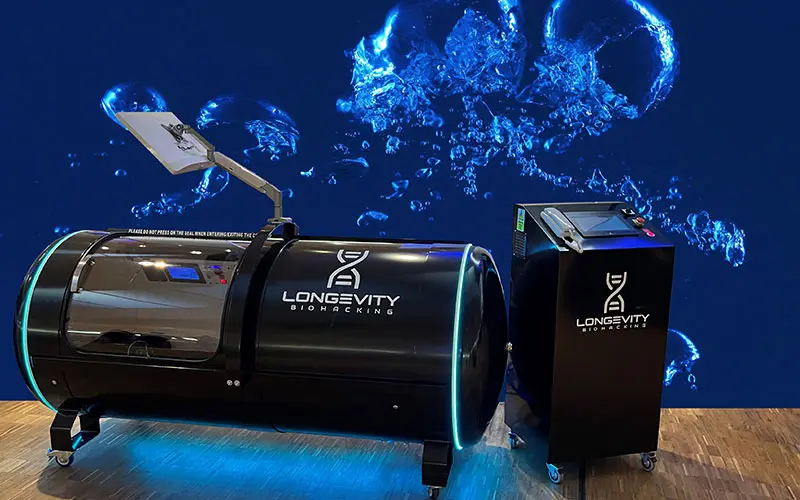
Single-person hyperbaric chambers are designed for individual use. In a typical single-person chamber, you enter a tube-like metal enclosure—usually with large windows—and, while lying comfortably, breathe nearly 100% oxygen at an elevated pressure tailored to your specific condition. These hard-shell chambers are commonly found in hospitals and clinics and offer patients a completely private setting for their therapy. During these treatment sessions, you are the sole „star of the show“!
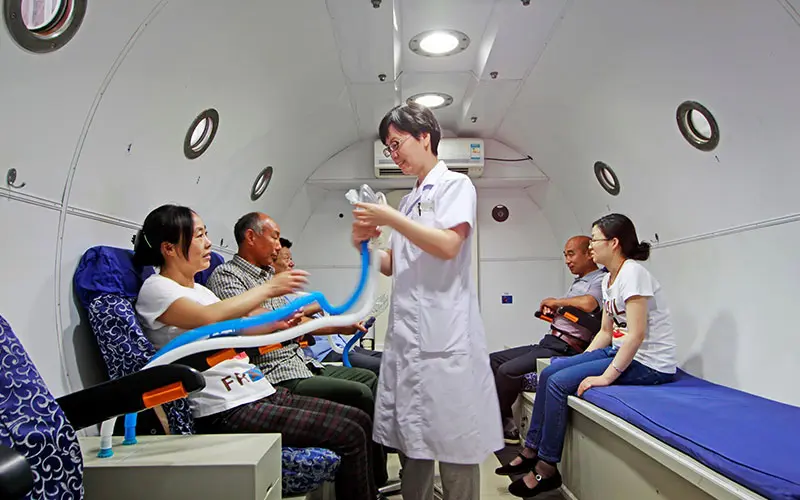
Multiplace hyperbaric chambers are kind of like the minivans of hyperbaric therapy! Here, you meet your oxygen needs in company. As the name explains, two or more patients can be treated simultaneously. These metal tubes are available in a wide variety of sizes and maximum pressure strengths (depending on the required application areas, with mild or high pressure strengths). You usually find them in specialized healthcare facilities and hospitals. One advantage of multiplace chambers is that medical personnel can also join the patients in the chamber if needed, to accompany and support them during therapy.

Mild hyperbaric chamber systems offer a gentler approach to hyperbaric therapy, typically providing a lower yet highly effective pressure setting up to a maximum of 1.5 bar. Due to their advantageous safety profile, these hard-shell and soft-shell chambers are most commonly found in public health facilities and wellness centers. They are available in mono- and multiplace versions and are also very suitable for home use.
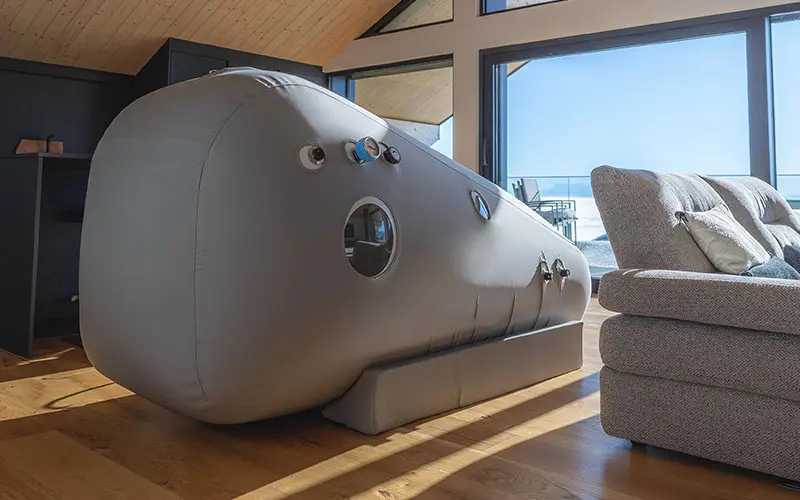
Finally, let's look at mobile soft shell systems. Thanks to their flexible construction, they are less intimidating than their larger hard shell counterparts. They are usually available in monoplace chamber size. Their advantage: they are easy to store and transport. They are suitable for both clinical and home use and are systems with milder pressure regulation. They allow the freedom to set up the therapy room wherever it fits best. A great advantage, especially for people who travel a lot, such as athletes and professional athletes.
Whether you opt for a single-seater or multi-seater chamber, or are considering a portable system, you have the choice that fits your lifestyle and medical needs. Each of these hyperbaric chamber models serves the purpose of oxygen-rich therapy to promote healing and support health.

Mild hyperbaric oxygen therapy (HBOT) systems, also known as mild oxygen therapy, offer several advantages over more traditional higher-pressure chambers and more expensive hard-shell constructs. The main benefits: they are typically more affordable, easier to operate, available as both mono- and multiplace chambers, and allow for more activities within the chamber. This makes them a practical option for individuals or healthcare facilities and public wellness centers that are not in the medical field.
The National Hyperbaric Center explains that hard-walled hyperbaric chambers can deliver up to nearly 100 % of oxygen at higher pressures, which is necessary for the treatment of certain conditions. For conditions that benefit from increased oxygen delivery at lower pressures, a mild hyperbaric oxygen system is therefore sufficient.
Furthermore, flexible, mobile chambers are often easier to install, as they do not require the same level of infrastructure or safety measures as hard-shell chambers. On the other hand, these systems are also more susceptible to mechanical defects. This mobility facilitates their use in facilities with limited space and also makes them well-suited for rental, which can prove to be much more convenient for patients who require frequent treatments.
Mild hyperbaric oxygen therapy certainly offers therapeutic benefits. Here, too, it is possible to administer nearly 100% oxygen, and the lower pressure also ensures an increased supply of oxygen to the tissues. This, in turn, promotes a faster healing process and helps combat inflammation, as Portland Chiropractic Neurology This can contribute to faster recovery from injuries, better energy, and overall well-being in a number of conditions.
While the milder form of HBOT is not entirely suitable for all conditions that can be treated with traditional HBOT, for health problems that benefit from lower pressure, mild systems offer a more cost-effective and convenient alternative.
Furthermore, the milder hyperbaric oxygen therapy systems are suitable not only for solving medical problems, precisely because of their easier handling and more relaxed safety measures. The improved oxygen supply throughout the body has a positive effect in many areas. It is therefore increasingly being used as a means of performance enhancement, maintaining peak mental fitness, health prevention, and anti-aging treatments. Here are just a few examples:
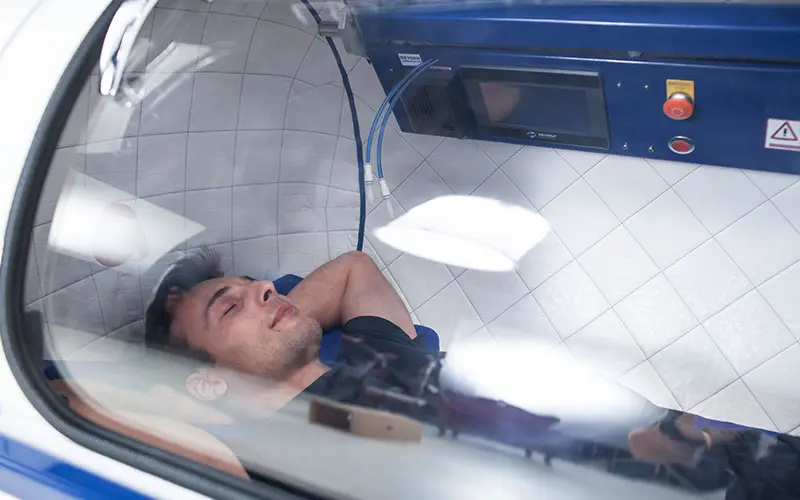
Hyperbaric oxygen therapy (HBOT) speeds up the healing process and supports the body's fight against infections. Cells are literally flushed with oxygen.
When recovering from injuries or surgeries, every minute counts. Hyperbaric oxygen therapy can enhance your body's healing process immediately after an incident by saturating tissues with pure oxygen. This „feast“ for your cells supports their efforts to repair themselves. Imagine a sprinter taking a deep breath right before crossing the finish line, gathering the energy for their final push. Similarly, hyperbaric oxygen provides your cells with the necessary energy to turn your recovery into a „targeted sprint.“.
Swelling often accompanies an injury and is the body's way of saying, „Hey, we need to fix something here!“ Significant inflammation can slow down healing. By improving blood flow and consequently increasing the removal of waste products, HBOT helps reduce inflammation and swelling, thus creating a more optimal healing environment. You can compare this to clearing roadblocks on a busy street. Traffic (in our case, the nutrients for cell regeneration) then flows unimpeded and reaches its destination directly.
Improving the immune response through HBOT means your body will be better able to fight off troublesome bacteria and infections.
HBOT is a versatile form of treatment that can become your ally in various health matters: This ranges from neovascularization to strengthening the immune system and fighting infections, or ensuring maximum well-being. Whether you are struggling with a stubborn wound, recovering from an infection, or looking to improve overall well-being, HBOT could be just the wind in your sails to get your body back on track.

Hyperbaric oxygen therapy (HBOT) is a specialized treatment that can be beneficial for various conditions. In this therapy, nearly pure oxygen is inhaled in a pressure chamber, which can significantly promote the body's natural healing process.
Decompression sickness often occurs in divers. It arises when nitrogen bubbles form in the bloodstream or tissues due to rapid pressure changes. In the correct HBO chamber, the ambient pressure can be increased until the bubbles dissolve again and further tissue damage is avoided. Subsequently, the pressure is slowly reduced again so that no more bubbles form. This treatment can take several hours or days.
For wounds that won't heal due to diabetes or dangerous radiation exposure, HBOT can be your lifeline. By supplying a higher concentration of oxygen to the affected area, HBOT stimulates the formation of new blood vessels and helps reduce swelling, improving the regeneration of hard-to-heal wounds.
In cases of severe anemia, where the blood is unable to transport sufficient oxygen to vital tissues, HBOT provides the necessary oxygen boost. This increased and direct oxygen supply supports bodily functions until red blood cell production can be restored to an adequate level.
Indications for HBOT include conditions such as decompression sickness, severe anemia, and non-healing wounds. However, a thorough medical history taken by medical personnel is necessary before the first HBOT session, as the therapy also has contraindications such as certain lung diseases, chemotherapy, or the presence of a pacemaker. It is therefore not suitable for everyone.
During a medical history intake, a qualified medical professional will determine your suitability for HBOT after thoroughly reviewing your medical history and treatment goals. It is important that you strictly adhere to the instructions of these professionals when considering HBOT.
Hyperbaric oxygen therapy (HBO) is approved by the FDA for certain medical conditions. Research in this area has expanded in recent years to cover a variety of other medical problems. Many of the potential applications are already scientifically proven. On the website www.hyperbaricexperts.com Find a comprehensive overview of studies with HBOT as well as much more information on this topic. However, before considering HBOT as a treatment option, you should definitely consult a doctor about your individual condition and any potential risks and side effects.
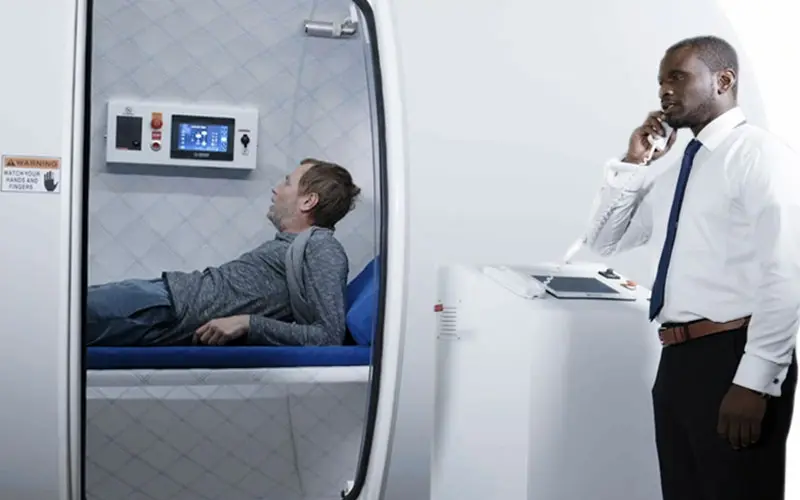
Hyperbaric oxygen therapy (HBOT) can be a unique experience. Knowing what to expect can help you prepare for the treatment. This therapeutic procedure involves a series of sessions in a pressure chamber where you breathe nearly pure oxygen, which can help heal and improve various medical conditions.
Before starting HBOT, you will consult with a medical professional who will precisely determine the details of your treatment plan, including the number of sessions required and their duration. For preparation, you should wear comfortable clothing and avoid applying skin lotions or perfumes before your chamber session. It is advisable to consume a light meal and ensure adequate hydration. However, avoid carbonated beverages to reduce the risk of gas bubble formation during treatment.
Inside the chamber, you’ll breathe oxygen at a concentration of nearly 100%, usually through a mask or nasal prongs. As the pressure rises, you may feel a slight sensation of pressure in your ears, similar to what you experience when an airplane is climbing. To minimize this discomfort, you can swallow, yawn, pinch your nose shut and blow into it, or move your jaw back and forth. All of these actions help equalize the pressure in your ears. Sessions generally last between 1 and 2 hours and, depending on your treatment plan, may be conducted once or twice a day, several times a week. While you are in the chamber, you will be monitored and guided by a specialist.
After the session, it is normal to feel a little tired or hungry. It can therefore be beneficial to plan a break and a meal after therapy. Listen to your body and allow yourself a rest if needed. Results can vary. Some patients report an immediate improvement, especially in terms of energy levels, while others may only notice changes after several sessions.
The response to HBOT can vary depending on the individual and the condition being treated. Some patients feel better right after the first few sessions, while others may not notice improvements until after a longer period of consistent chamber visits. Stay in constant contact with your healthcare provider to discuss your progress and any necessary adjustments to your treatment plan.
Hyperbaric oxygen therapy (HBOT) can be beneficial in treating various medical conditions. However, it is important to be aware of the risks and side effects that may be associated with this type of treatment. If you are familiar with them, you can make more informed decisions and better prepare for your treatment.
Have you ever felt uncomfortable in enclosed spaces or experienced a slight discomfort in your ears during a flight? Similar sensations may occur during HBOT. Some common side effects may include:
Effective communication with your healthcare provider can help you find ways to prevent these unwanted effects.
Even though they are less common, there are more serious risks that should be considered in connection with HBOT. It is important to recognize the symptoms and seek medical attention immediately:
The Cleveland Clinic provides further insights into severe side effects, such as in the case of Sinus Blockage Under Pressure.
What can you do to ensure your safety during HBOT? Talk openly with your therapist about your medical history and thereby rule out all points that could pose a risk. Do not hesitate to ask about the quality of the chamber you will be in. These points largely eliminate the risk of complications:
Remember: Information is power! The following article from Johns Hopkins Medicine Hospital about Complications of hyperbaric oxygen therapy provides information on how to manage lung damage or the risk of embolism.
Should a problem arise, contact your doctor immediately. Stay informed and feel secure; that is the only way to get the full benefit of your HBOT sessions!

Are you considering hyperbaric oxygen therapy (HBOT)? Keep in mind that this can be a very effective treatment for a range of conditions. However, HBOT isn’t for everyone! Below are a few considerations regarding specific health conditions, age-related factors, and lifestyle elements that your healthcare provider should definitely be aware of before clearing you for HBOT:
Your state of health is crucial in determining whether HBOT is the right option for you. Here are the key points:
Do not forget that your medical provider is ultimately responsible for the final decision.
Age in itself is usually not a reason to stop treatment, but it brings a few things into focus:
In young children or older adults, your doctor will weigh the risks and benefits a little more carefully.
Claustrophobia can occur at any age. However, if small spaces make you sweat, you should talk to your supervisor before entering an HBOT chamber.
Finally, various factors from your life can also prevent temporary or permanent HBOT use: If you have caught a cold, it is advisable for hygienic reasons to refrain from HBOT. In the event of sinus problems, an HBOT session is a complete no-go.
To reiterate, claustrophobia should not be underestimated. Treatment takes place in confined spaces that some may find too restrictive. Mention your fears regarding the therapy and discuss this with your supervisor.
Please consider that the above statements are intended solely to make you think. Your medical provider is your ally – they can tell you whether HBOT is right for your health or if other treatments might be better suited.
Exploring hyperbaric oxygen therapy (HBOT) can be a wonderful journey into the world of advanced medical treatments. HBOT is a procedure in which a person is exposed to nearly 100% oxygen under high pressure, which can significantly enhance the body’s natural healing process.
The spectrum of symptoms and conditions that can be treated with HBOT is wide-ranging, extending from the treatment of decompression sickness in divers to individuals with severe infections or non-healing wounds. The pressurized oxygen and the associated increased oxygen transport reach down to the cells, acting as a powerful ally in promoting faster healing and combating infections.
The different types of HBOT chambers – monoplace and multiplace chambers as well as higher and milder pressure ratios – offer different experiences, but pursue the same goal: the effective delivery of oxygen. Potential side effects such as ear problems with difficulty equalizing pressure or claustrophobia are worth considering, but they are generally minor and can be prevented with proper information.
With HBOT, you have a versatile health tool in your „medical toolbox.“ But like any tool, it is important to know how to use it correctly. This is where good information and detailed education come into play.
Source text www.supplementsavant.com, Blog focusing on fitness and fitness supplements | Author: Nick D. | German translation and adaptation by MTR Equipments.
We are happy to provide you with further information and answer your questions personally.